Events

No upcoming events.
We do not run events for volume. We run them when there is something worth exploring together.
We do not run events for volume. We run them when there is something worth exploring together.
Past events
Events
Contact Us

CONTRACT hosted a Johannesburg event on reinventing change and blended learning, exploring how a reinvention mindset supports real organisational growth.
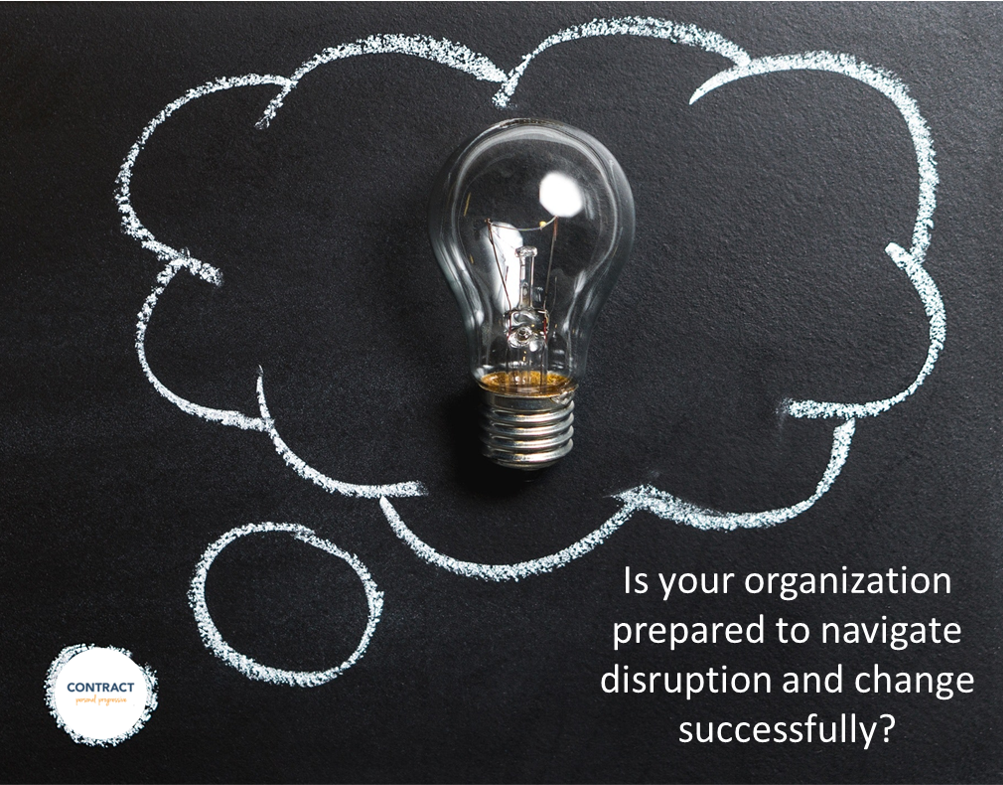
Lastweek, we ran an event in JHB on “Business growth through reinventing change& adopting blended learning methods”. The aim of the event was to generate discussions on how a reinvention mindset cansupport organisations in leading change and reflect on how learning is shiftingmore towards the inclusion of digital and blended learning approaches. With twoCONTRACT senior facilitators and the head of content at troodi (one of oursister companies), running the event, it was bound to be interesting and filledwith experience and some fun. The participants at the event brought in their current experiences, successes, andchallenges, coming from very different industries and environmental contexts. We asked the group to share what their current business challenges were, andwhether they thought that their current organisations had the mindset tonavigate future change successfully. Given the recent changes in the way thatwe work, quite a few of the participants were unsure about the future successof change in their organisations. One indicator of this was the current wish to“just get back to the way things were”. Of course, those joining the session,had a wish to learn more and explore opportunities to take some new thinkinginto their organisations. There were many focus areas and threads that came up during the event. One of which was based on one of the reinvention tools we use from the Reinvention Academy: The Titanic Syndrome. This tool considers three key factors that led the Titanic to sink… spoiler alert, none of them was the actual iceberg!Thereasons are:
Thesekinds of events really should teach us so much, and yet, many organisationshave not realised how important it is to consider warnings, be prepared forpossible “icebergs”, generate openness to new approaches and changing 'best practices', and pay attention to what is going on around them. Given that the average lifespan of an organisation has decreased significantly, weknow that without adapting to change and preparing ourselves for changes, wewill not remain sustainable. Takea moment and consider these questions in relation to your organisation:
Ifyou found these challenging to answer, you probably have a need to focus ondeveloping more of a reinvention mindset in your organisation. Thistool was extremely interesting for the participants, but it became even morevaluable when we considered how organisations are struggling to adapt to newways of learning. We explore how digital learning is changing the way that we can offer learning to employees, however, as with any form of learning thereare also many challenges. In our experience, taking on more of a blendedapproach allows for greater participation and implementation of learnings. Blended learning for us, consists of eLearning/ virtual learning programmes with videocontent and reflection sheets, some gamification, and some email prompts, butin addition to this, we included some live sessions (in person or virtual),which allow for peer interaction, accountability and entrenching of knowledge. TheeLearning/ digital learning programmes that we offer, together with troodi,have been developed based on years of experience with creating amazing learningexperiences. They bring in a level of personalisation and intimacy that weoften feel is missing with digital learning. For this reason, the completionrate on our learning programmes is at a whopping 90%, and the feedback oftenspeaks to the fact that the trainers in the learning programmes engage withviewers in a way that allows for connection. Thelive sessions are facilitated by experienced trainers, which enables participantsto ask content related questions, but more importantly the environment createddeepen learning through the activities, group discussions and reflectionexercises. The blended learning journeys offer great aspects from both thetraditional learning approaches and the digital learning approaches. They aremore flexible and allow for successful collective and individual learning, andas a cherry on top, they allow learning to happen across boarders anddepartments within an organisation. That’s why we love them! Overall, our event created great learning, reflection, and discussion on these important topics. We loved engaging with different perspectives and trying to find approaches to support organisations in adapting and preparing for changes now and in the future.