Events

No upcoming events.
We do not run events for volume. We run them when there is something worth exploring together.
We do not run events for volume. We run them when there is something worth exploring together.
Past events
Events
Contact Us

Mindfulness doesn't require daily meditation. Discover how small shifts in awareness and presence can improve your focus, relationships and overall wellbeing.
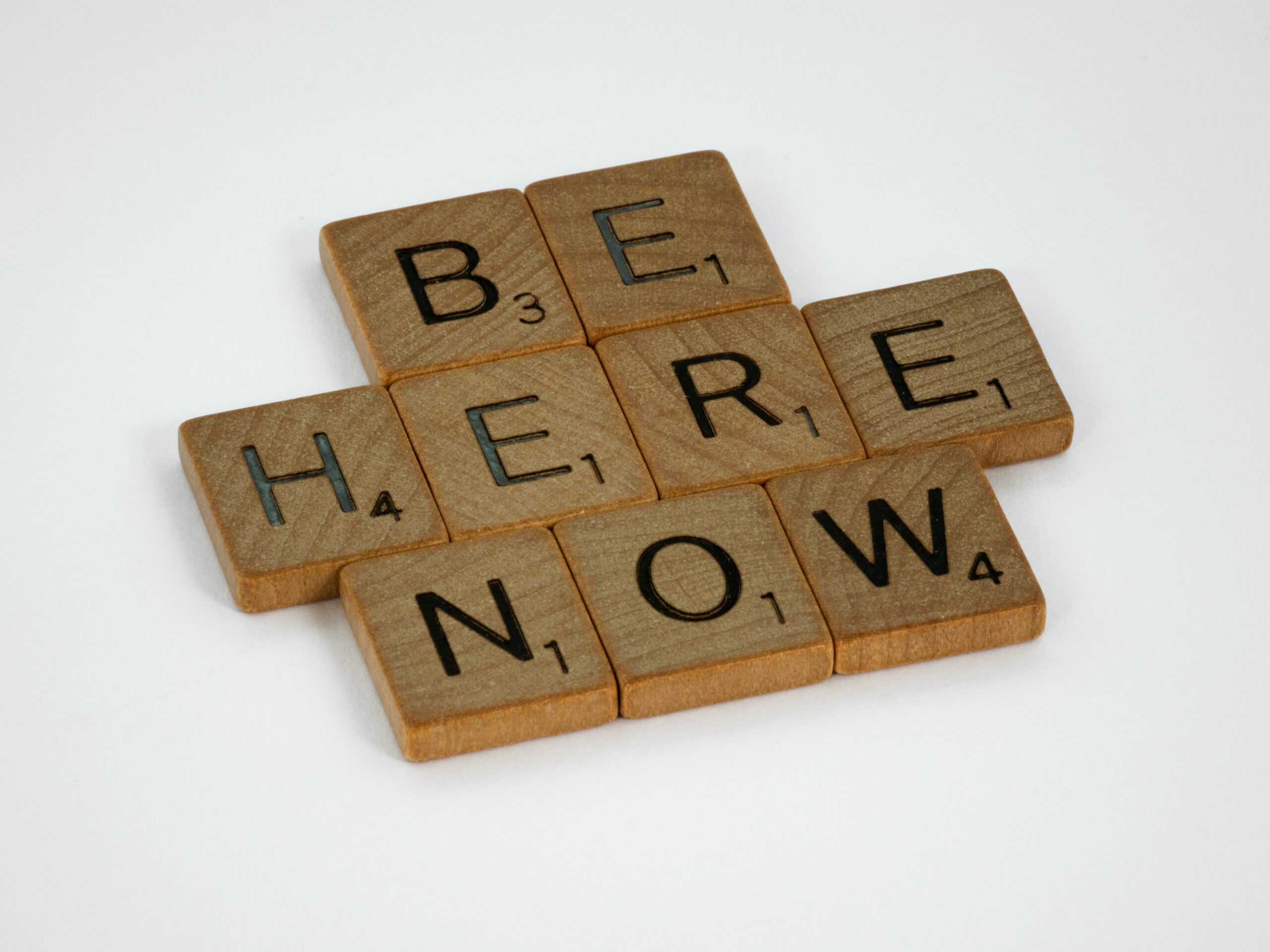
Since I took a mindfulness course a year ago, my life has not changed fundamentally. However, since then I have been trying to live more in the present. I tend to perceive moments more consciously, to listen better to my body and mind and to put a bigger focus on the here and now. Also I don't meditate every day, and I am far from being constantly mindful – but I am mindful more often, so it is progress. I have managed to incorporate more routines that are good for me; sports, physical exercises, meditation, reading. I have started walking in the woods as I saw research says it is especially good for us – I have found it very much so.
Even at work I have created for myself some new habits to make myself more attentive:I pay attention to my posture, e.g. sitting posture, and see how I can further influence the design of my workplace. From time to time I use a seat cushion or change the chair position. Colleagues of mine like to sit on special stools or sometimes work standing up. When something stresses me, I try to recognize what exactly it is about. What triggers the stress? How do I react to it? And, how do I evaluate it afterwards? Is the trigger relevant at all? Is my reaction to it appropriate? Do I assess the overall situation correctly at all? I do a reality check, because we always judge stress very subjectively: TRIGGER >> REACTION >> EVALUATION = REALITY CHECKIf I become more aware of the 'stressors' then I can better influence my reactions to them.
Why am I doing all this? Because I noticed that a To-Do list was constantly present in my head stressing me. I still have a To-Do list, but a written one with priorities. As soon as I have written it down I can focus on my current task again. It has become important for me to do a little something every day that directs my thoughts completely towards myself and my well-being and above all away from work and away from 'I still have to...!” Usually we put the self-care off to the weekends, the evenings or holidays.
However, this way we continually build up our stress level, because with only five weeks of holidays a year and weekends, and forty-seven weeks of work, it’s very hard to compensate for everyday stress. Rather, we need a dose of awareness, and other important things for ourselves every day, in addition to our work responsibilities. The more routines we develop in directing our consciousness to what is important to us, to our body and soul, the better we can actively shape and prioritise these things. Mindfulness in our everyday life – possible measures:
A model from Transactional Analysis, the so called 'Psychological Hungers', our basic inner psychological needs, is an exciting model for mindfulness. Reflecting about it, I gained more clarity about what I am hungry for, i.e. what motivates me and what can be good for me in my job and in my private life. We have different, individual needs. Some need more acknowledgement and company instead of the couch or a nice chat with colleagues. Some need stimulus and challenge, i.e. sports, extreme hobbies and exciting projects that challenge them. Others need structure, therefore a planned and certain process. If I know what is good for me, I can take better care of myself. Find out what you are 'hungry for' and build it into your everyday life more often. How? Just listen more to your inner voice!